CHEYENNE, Wyo. (October 27, 2026) – By law, the Wyoming Weed and Pest Council (WWPC) is required to issue a comprehensive funding and operational audit to the Wyoming Legislature and the Joint Agriculture Committee every two years. The report provides an in-depth look at the previous two years, as well as current challenges and opportunities associated with managing invasive species across Wyoming.
Here are some highlights from the 23-page WWPC Legislative Report.
One of the most significant challenges voiced by weed and pest districts is uncertainty about the property tax levy, which is the base funding for districts. The potential lack of funding will make it difficult for districts to hold the line against invasive annual grasses like cheatgrass and pests like grasshoppers, prairie dogs and mosquitoes, while also managing all the other noxious weeds in the state. Additionally, as outlined in the report, the base funding provided by property taxes allows districts to leverage millions in grants and federal funding for landscape scale projects.
“While the WWPC receives $150,000 per year for state-owned lands, the sheer vastness of state land, which is approximately 3.5 million acres, equates to only four cents per acre,” said Lindsey Woodward, Weed and Pest Program Coordinator, Wyoming Department of Agriculture. “We are careful stewards of the state’s resources and work hard to maximize every dollar we spend to keep Wyoming wild and beautiful.”
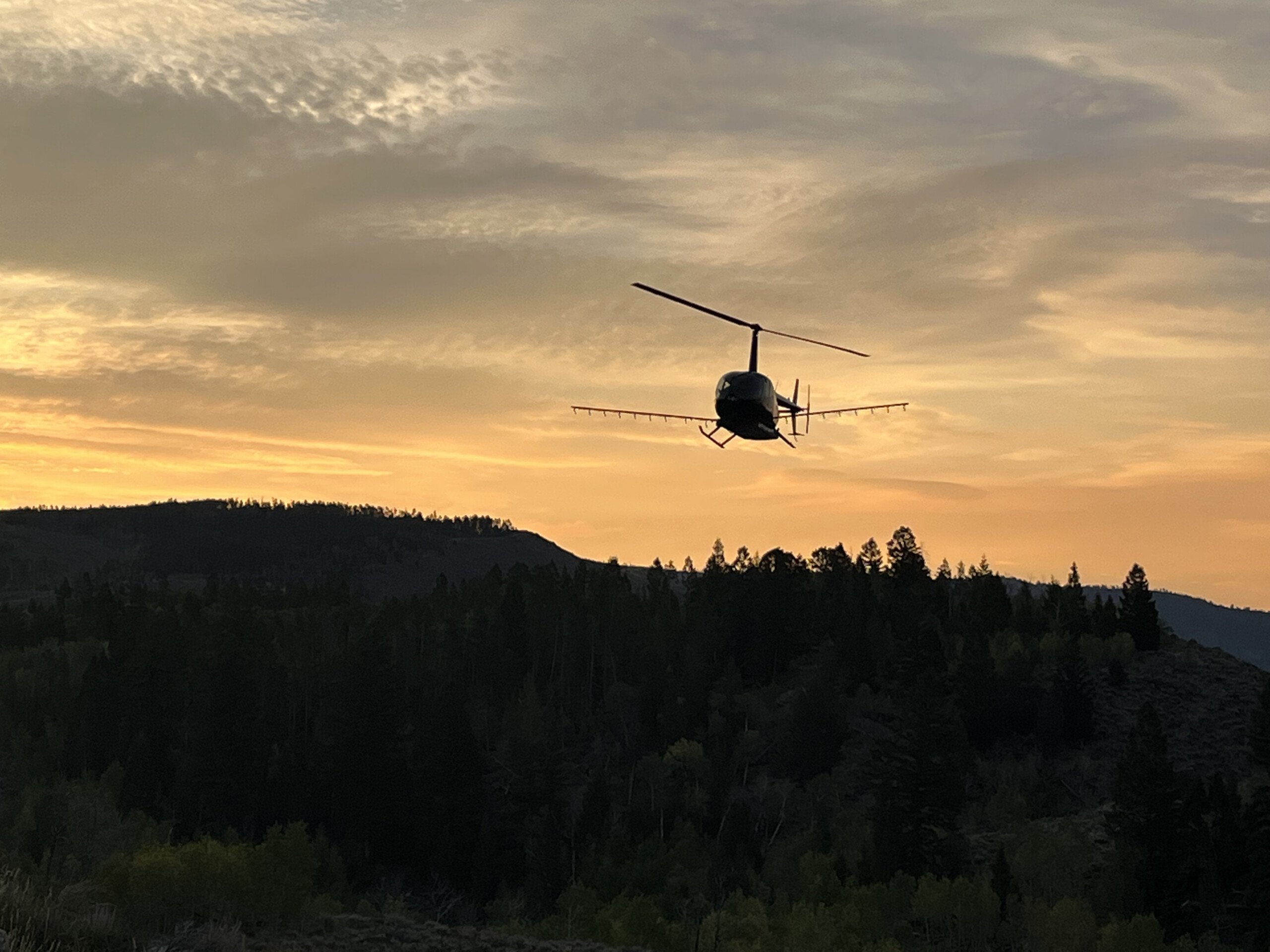
Another challenge is the scarcity of labor to perform the important work that is needed. WWPC partners with the University of Wyoming to create internship programs and accredited coursework so graduates can become certified supervisors without additional post-college training. There is also a need for contractors on large scale projects that require skilled jobs like pilots for aerial spraying and roadside commercial applicators.
The report also mentions that federal and state agencies need to work more collaboratively to reduce bottlenecks, which can significantly delay important projects, while driving up costs.
The legislative report also mentions some promising opportunities, including expanded biocontrol research, which introduces insects and fungi into an environment to manage invasive species and pests. Biocontrol provides an alternative to chemical treatments and can be used in remote areas and areas of persistent invasion.
Wildfires are also a major concern for everyone in Wyoming. WWPC sees potential in expanding collaboration with other state and federal agencies to treat invasive annual grasses before they fuel the next fire. The key is to develop a proactive fuel prevention strategy rather than just post-fire recovery.
WWPC has a long-standing partnership with Wyoming Game and Fish. This relationship can be expanded for projects like habitat rehabilitation to protect mule deer migration corridors and winter ranges. In addition, WWPC works closely with the Wyoming Department of Transportation to prevent the spread of seeds and noxious weeds along roadways and landscapes. Producers are encouraged to use weed-free hay to protect the spread of invasive species and the health of livestock.
“This article is just the tip of the iceberg when it comes to all the programs, partnerships and resources devoted to fighting invasive species across the state,” Woodward stated. “We pride ourselves on being totally transparent and encourage all Wyomingites to learn more about our efforts by downloading the 2026 WWPC Legislative Report.”
To connect with the nearest weed and pest district near you, click the following link. https://wyoweed.org/offices/