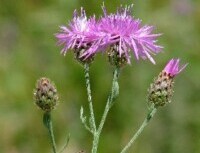
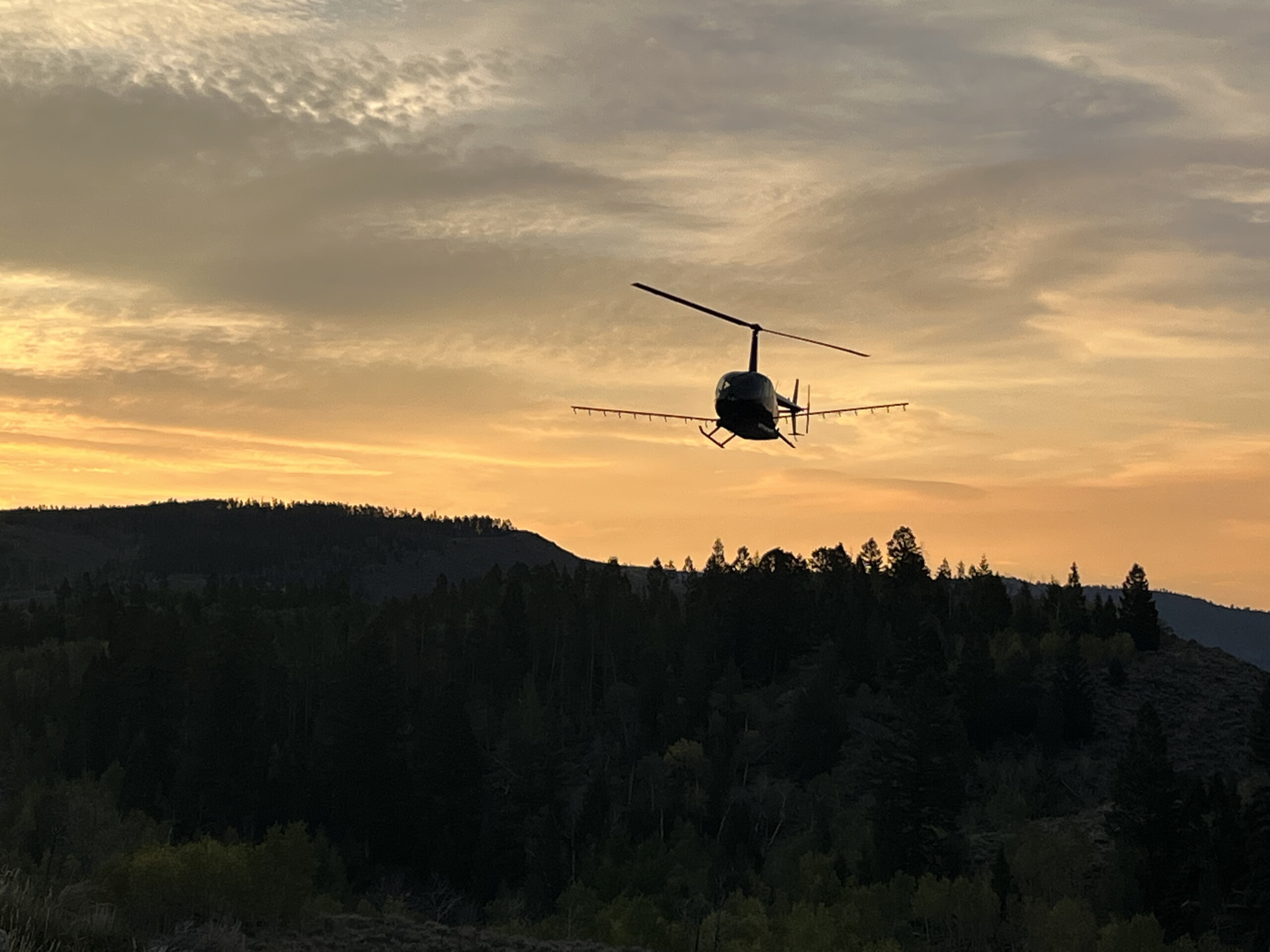
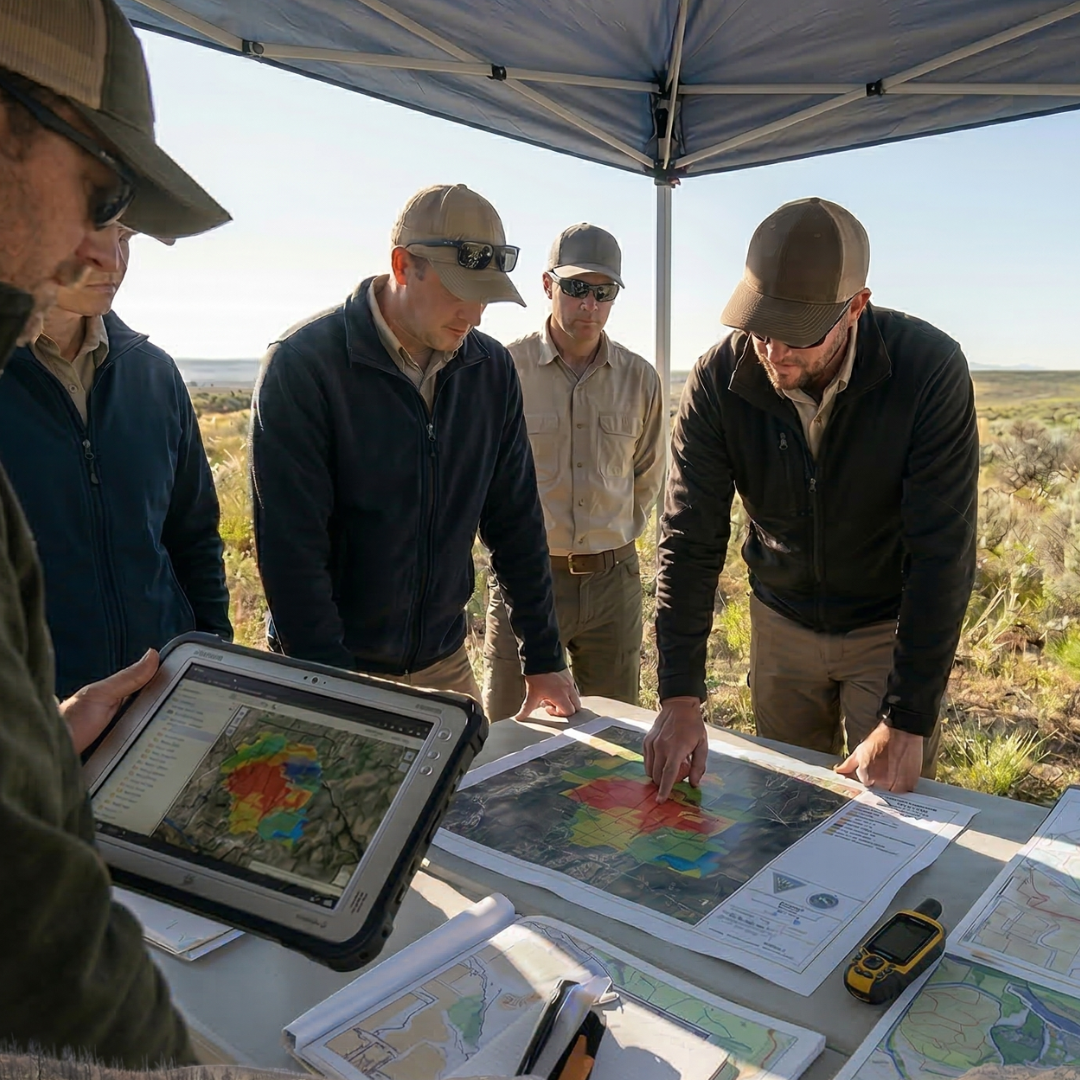
CHEYENNE, WYO. (May 29, 2025) – The Wyoming Weed and Pest Council (WWPC) has launched the WYLD Watch program as part of its ongoing efforts to identify, contain, and eradicate invasive plant species that threaten the state’s native wildlife. Formally known as the Early Detection and Rapid Response initiative, WYLD Watch is an important strategy that uses various survey methods to find invasive weeds. One of those strategies includes empowering members of the community to identify and report any new or unfamiliar species they may come across.
“Wyoming’s landscapes are constantly evolving, and new invasive threats can appear at any time,” said Olivia Maxwell, Program Manager at Fremont County Weed and Pest. “Spotting early warning signs of intruders before they spread can prevent lasting damage to our state’s natural ecosystem.”
WWPC encourages the public to stay vigilant for any plants that may seem out of the ordinary and to immediately report their findings to their local Weed and Pest office. Local contact information can be found at wyoweed.org/wyld-watch. Invasive species are constantly circulating throughout Wyoming, especially after harmful disturbances like wildfires, which allow the weeds to spread unimpeded. Officials say stick to the rule-of-thumb: when in doubt, always report.
“When a new infestation is detected, we respond quickly and appropriately,” Maxwell said. “Successful prevention often requires repeated monitoring and treatment, as some invasive seeds can survive in soil for 20 years or more.”
Participating in the WYLD Watch program doesn’t just help the state, but also contributes to national efforts to combat invasive plants. When a non-native weed is reported to the WWPC, the information is sent to the Early Detection and Distribution Mapping System, a database that links local observations to a national network. The data is used by scientists, land owners, educators, farmers, and conservationists to track the growing patterns of invasive plants and identify new species that pop up across the country.
Managing the growth of invasive weeds is critical not just for local wildlife, but to the economic stability of Wyoming. A report written and published by the University of Wyoming and the WWPC last year studied the impact that just 10 of the 31 known invasive weeds have on the state. It found that, if left untreated, the plants could cost taxpayers more than $300 million a year in damage to native plants, livestock, rangeland, and crops.
“The health of our local wildlife affects all of us in one way or another,” Maxwell said. “That’s why we ask everyone in Wyoming to stay vigilant, report quickly, and do anything they can to keep our home wild and beautiful.”
To learn more about WYLD Watch and find the contact information of the nearest Weed and Pest office, visit wyoweed.org/wyld-watch.
About the Wyoming Weed and Pest Council Wyoming Weed and Pest Council (WWPC) is comprised of 23 Weed and Pest Districts in the state of Wyoming. The Council works closely with the Wyoming Department of Agriculture and the University of Wyoming to keep current with the latest technology and research available in the ongoing management of noxious weeds and pests. The overall mission is to provide unified support and leadership for the integrated management of noxious weeds and pests to protect economic and ecological resources in the state.