CHEYENNE, WY (August 22, 2024) – Summer is in full swing here in Wyoming and seasonal heat has brought its share of problems. Data from the National Integrated Drought Information System (NIDIS) as early as August 13, 2024, shows that more than half of the Cowboy State is feeling the effects of abnormally dry to severe drought conditions. The dried-out plants and high temperatures create ideal conditions for the sparking of wildfires that pose a danger to the region’s natural plants and wildlife. While our state’s firefighters have tremendous success containing these fires before they spread too far, the Wyoming Weed & Pest Council (WWPC) says the danger to natural plants continues well after the flames go out.
“A lot of times, we can see whole fields of native plants burned away,” says Lindsay Wheat, Albany County Weed and Pest District Supervisor. “Those plants need time to regrow naturally, however, there are stronger invasive weeds that move in and establish themselves as the dominant species in that burn area.”
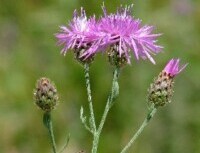
Canada thistle is a particular problem in Wyoming, often spreading across large swaths of burned soil. The plant is considered one of the worst invasive weeds in the world, given its ability to adapt to its environment more efficiently than native plants. The roots of Canada thistle are extensive and allow the weed to outcompete the local plant life for soil, water and sunlight.
“Plants like Canada thistle are ruderal species, meaning they are the first to move in on disturbed land,” Wheat explains. “They are so resilient that they have no problem regrowing in burned fields and forests before any other plant. This is a huge problem for native species, but also for our state’s livestock.”
Most animals will not eat the invasive weed due to its prickly features. This allows the plant to spread even further through seeding and pollination, depleting the already devastated natural food sources for livestock and wild animals. Beyond areas affected by wildfires, Canada thistle also impacts crop yields and severely hinders farmers’ productivity.
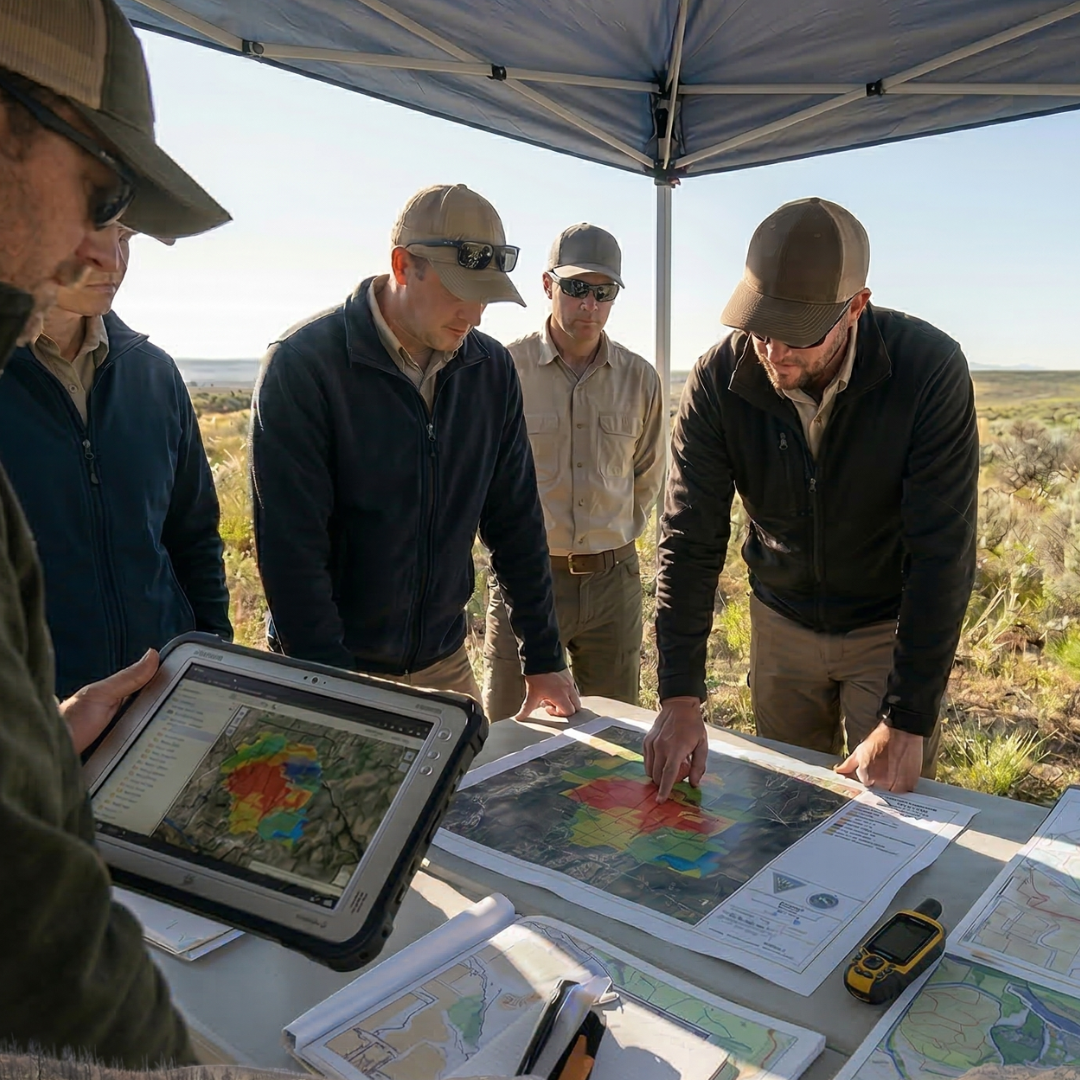
To help stop the spread of plants like Canada thistle, the WWPC often partners with the Wyoming State Forestry Division to help asses any damage done by wildfires and identify the potential threat of invasive species hindering the growth of native plants.
“When a fire burns through a particular area, we are often called to help eradicate the noxious weeds that rush in to take up space and soil,” Wheat says. “It’s one of many examples of how different state agencies work together to help keep Wyoming wild and beautiful.”
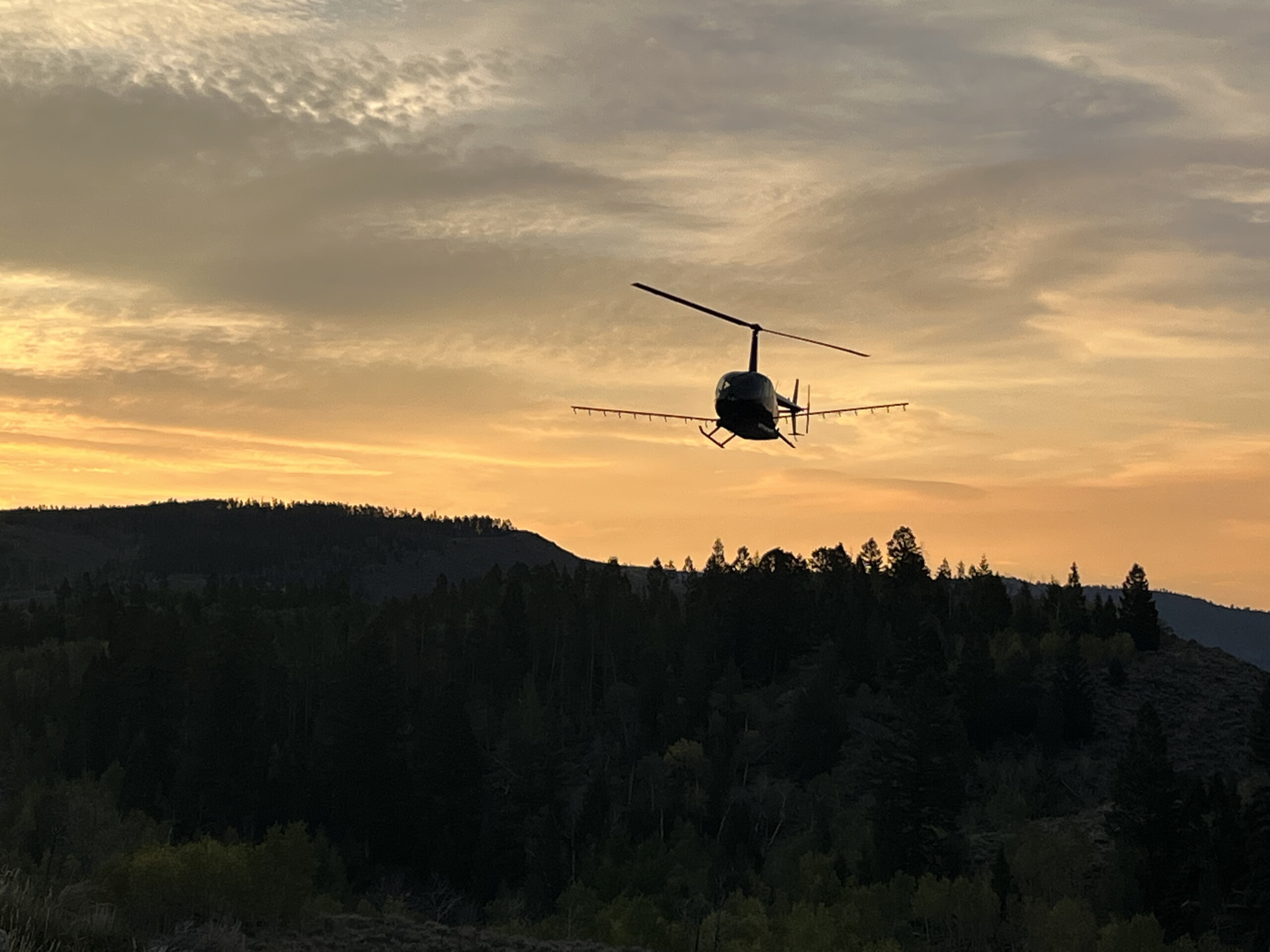
According to Wheat, spraying affected areas with herbicide is the preferred method the WWPC uses to eradicate Canada thistle. An article posted by The University of Wyoming recommends thoroughly cleaning boots and equipment when leaving an area with thistles to help prevent the spreading of seeds. Using a hoe or shovel to remove isolated weeds before they reproduce in higher numbers.
Overall, prevention remains the best way to stop noxious weeds that impede the growth of native species. If you notice weeds on your property that seem out of place or chemical intervention is needed to remove noxious species, contact your local weed and pest district for assistance. A list of all the district offices can be found on wyoweed.org. Practicing fire safety at all times also helps protect the Wyoming wild. Always be sure to properly dispose of litter rather than burning it, avoid activities that involve fire during dry conditions and always properly extinguish any campfire or open flame when you have finished using it.
“Drought conditions are something we have been regularly dealing with since the early 2000s,” says Erika Edmiston, Supervisor of the Teton County Weed and Pest District. “This year hasn’t been much of an improvement, so it is important to be aware of your surroundings and be mindful of potential forest fires. Maintaining a healthy population of native plants is critical for the health of our wildlife, livestock and Wyoming as a whole.”
About the Wyoming Weed and Pest Council
Wyoming Weed and Pest Council (WWPC) is comprised of 23 Weed and Pest Districts in the state of Wyoming. The Council works closely with the Wyoming Department of Agriculture and the University of Wyoming to keep current with the latest technology and research available in the ongoing management of noxious weeds and pests. The overall mission is to provide unified support and leadership for the integrated management of noxious weeds and pests to protect economic and ecological resources in the state.